Roof blisters represent a significant threat to structural integrity andlongevity. These raised pockets form when moisture becomes trappedbetween roofing layers, causing separation and eventual deterioration.Installation errors, inadequate ventilation, and extreme temperaturefluctuations accelerate their development, particularly in flat orlow-slope systems. Left unaddressed, these seemingly minor imperfections can lead to catastrophic leaks and costly repairs. Understanding theircauses reveals essential prevention strategies that protect one of abuilding's most critical investments.
Understanding Roof Blisters: What They Are and Why They Form
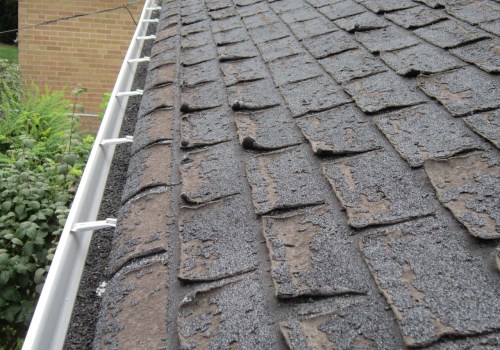
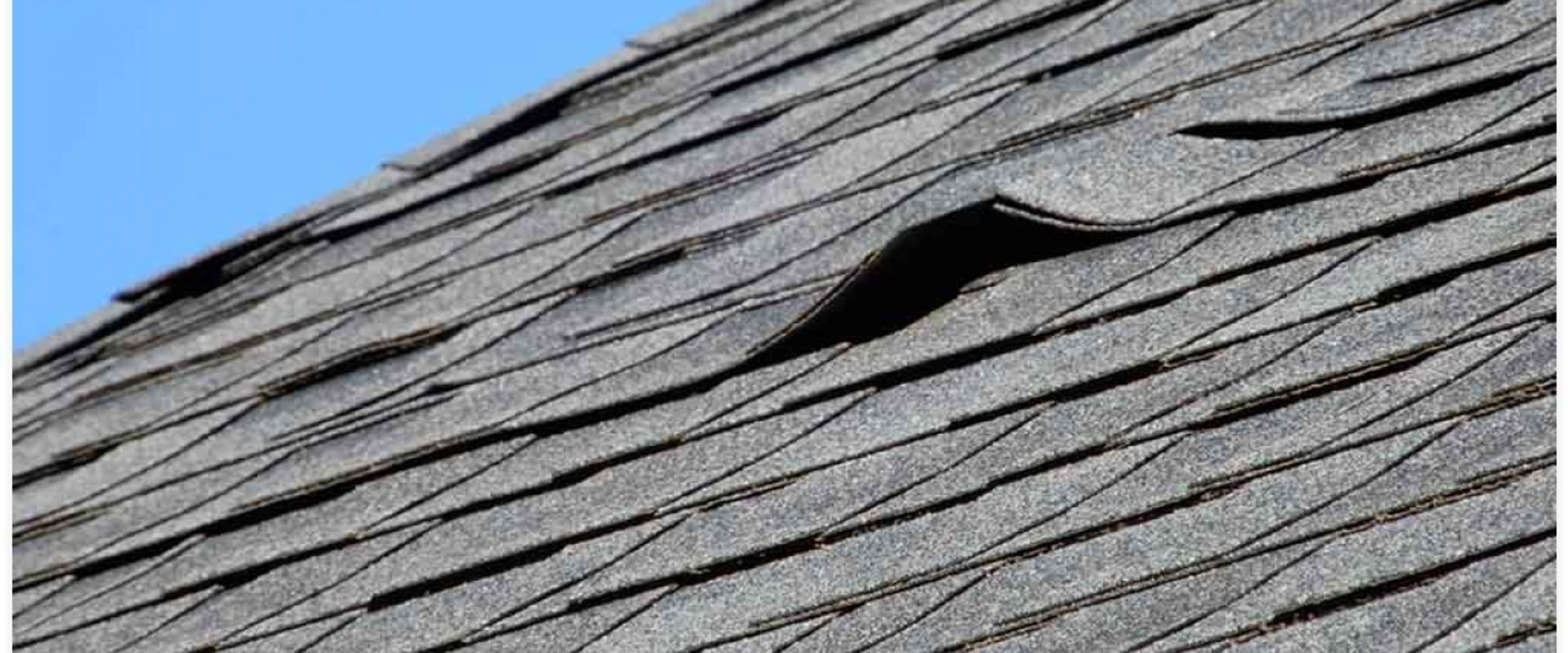
Roof blisters, a common roofing problem affecting homeownersworldwide, are raised areas where compromised adhesion between roofingmaterials and the underlying substrate creates bubble-like protrusions.These defects range from small bumps to significant bubbles, oftenfilled with air or water, and can appear on various roofing systemsincluding membranes, shingles, and flat roofs.
The formation of blisters typically occurs when moisture becomestrapped beneath the roof's surface. When heated by the sun, thismoisture vaporizes and expands, causing the material to separate andform a raised area. If left untreated, blisters can deteriorate further, leading to material separation, leaks, and eventual structural damage.Regular roof inspections are essential for early identification of these issues before they progress to more severe problems.
Common Causes of Roof Blistering: Installation Errors to Watch For
Among the most prevalent installation errors causing roof blisters is improper flashing application, where poorly sealed flashings createentry points for moisture and air. Inadequate adhesive coverage leavesportions of roofing material unbonded, creating voids where trappedmoisture can expand when heated. These installation deficiencies oftenresult from rushed work, cutting corners, or insufficient training among roofing personnel.
Improper Flashing Application
Improper flashing application represents one of the most significantinstallation errors that leads to roof blistering. When flashing isincorrectly installed, it fails to provide adequate protection againstmoisture infiltration, allowing water to seep between roofing layers.
The consequences are particularly evident at backwater and head laps, where improperly installed flashing creates areas of wateraccumulation. These moisture-prone zones develop voids between roofingmaterials that trap air or water, creating ideal conditions for blisterformation. As moisture accumulates, it expands during temperatureincreases, pushing layers apart and forming characteristic bubbles inthe roofing membrane.
If left unaddressed, these flashing deficiencies can progress fromlocalized blistering to thorough system failure, necessitating costlyrepairs. Proper flashing installation remains essential for maintainingroof integrity and preventing moisture-related deterioration.
Inadequate Adhesive Coverage
Insufficient adhesive coverage represents a critical installationerror that frequently leads to roof blistering. When installers applyinadequate amounts of adhesive or use improper application techniques,they create weak bonds between roofing layers where moisture caninfiltrate and expand when heated.
Several factors contribute to this problem, including the use ofadhesives unsuitable for specific roofing materials, application duringinappropriate temperature conditions, and occasional manufacturingdefects that reduce adhesive quality. Professional installers understand that proper adhesive coverage requires attention to manufacturerspecifications regarding quantity, application patterns, and curingtimes.
The consequences of inadequate adhesion extend beyond immediateblistering—they often compromise the entire roofing system's integrityand longevity. Ensuring complete and uniform adhesive coverage duringinstallation remains one of the most effective preventive measuresagainst future blister formation.
The Role of Weather and Climate in Blister Development
Weather and climate conditions play a critical role in thedevelopment of roof blisters, often functioning as primary catalysts inthe deterioration process. Severe temperature fluctuations and extremeheat subject roofing materials to thermal stress, causing expansion that creates gaps where moisture can become trapped.
Prolonged UV exposure weakens roofing materials while heataccelerates the vaporization of trapped moisture, forming blisters asthis moisture expands. Inadequate ventilation compounds these issues byallowing heat to accumulate in attic spaces, further raising roof decktemperatures.
Climate change has intensified these problems through more frequentweather extremes and rising global temperatures. Seasonal shifts between hot and cold periods create additional stress on roofing materials.Prevention strategies include selecting quality materials designed forlocal climate conditions, ensuring proper installation techniques, andmaintaining adequate ventilation systems.
Most Vulnerable Roof Types and Materials
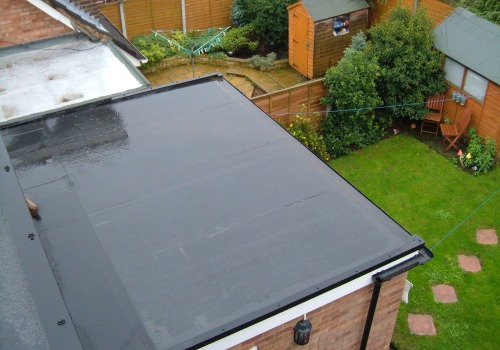
Flat roof systems present particular vulnerability to blistering dueto their minimal slope and tendency to retain moisture for extendedperiods. Single-ply membrane materials like EPDM and TPO frequentlydevelop blisters when poor installation practices allow air or watervapor to become trapped between the membrane and substrate. Thesematerials require precise application techniques and careful attentionto adhesion quality to minimize the formation of pressure-inducedseparations that manifest as visible roof blisters.
Flat Roof Vulnerabilities
When examining the causes of roof blisters, one must consider theinherent vulnerabilities of different flat roof types and materials.Built-Up Roofing (BUR) systems deteriorate with age, resulting in leaksand structural issues. Modified bitumen roofs frequently crack due tothermal cycling. Concrete flat roofs are susceptible to cracking andwater infiltration from settlement or installation deficiencies.
Metal flat roofing systems, while durable, remain vulnerable to rustand corrosion without proper protective coatings. Green roofs introduceadditional concerns including excessive weight loads and vegetationmanagement challenges. Material-specific vulnerabilities furthercompound these issues: EPDM experiences shrinkage and tenting, PVC iseasily punctured, TPO tears readily under physical stress, and modifiedbitumen degrades over time. Chlorinated polyethylene presentscompatibility issues with PVC and degrades when exposed topetroleum-based substances. These vulnerabilities, combined withenvironmental stressors, create ideal conditions for blister formation.
Single-Ply Membrane Issues
Single-ply membranes represent the most vulnerable category of flatroofing systems, with both TPO and EPDM materials exhibiting highsusceptibility to blister formation. These materials, commonly used incommercial and low-slope applications, frequently develop blisters dueto poor adhesion during installation, trapped moisture, and materialdegradation from UV exposure.
- Lack of proper adhesion between the membrane and substrate creates voids where air and moisture can accumulate
- Temperature fluctuations cause expansion and contraction, exacerbating blister growth in poorly installed systems
- Material aging decreases flexibility and increases vulnerability to environmental stressors
Modified bitumen roofing can also experience similar issues, thoughtypically at lower rates. High-quality materials with UV-resistantcoatings considerably reduce blister formation risk, but properinstallation remains the critical factor in prevention. Regularinspections allow for early detection and targeted repairs beforeextensive damage occurs.
Warning Signs: How to Spot Blisters Before They Worsen
Identifying roof blisters early can prevent extensive damage andcostly repairs to your roofing system. These raised, bubble-likeformations typically measure 1-2 inches in diameter and appear scattered across the roof surface rather than concentrated in one area.
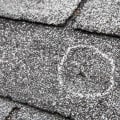
Regular inspections are critical, especially after storms or seasonal changes. Look for trapped moisture, weakened adhesion betweenmaterials, and effects of UV exposure. Unlike hail damage, which creates concave impressions with crushed granules, blisters present as raisedbubbles.
If left untreated, these blisters compromise structural integrity byallowing water penetration, potentially leading to significant damage.Professional assessment can identify early warning signs and documentthe condition for potential claims. Proper ventilation reduces moisturebuildup, helping prevent blister formation.
Prevention Strategies for New Roof Installations
Implementing effective prevention strategies during new roofinstallations significantly reduces the likelihood of future blisteringproblems. Professional roofing contractors focus on material selection,installation techniques, and environmental considerations to guaranteelong-term roof integrity. Quality control protocols—includingpre-installation inspections and adherence to manufacturerspecifications—are essential for preventing moisture entrapment.
- Select high-quality, weather-resistant materials appropriate for local climate conditions
- Confirm proper ventilation and insulation systems to regulate temperature and prevent moisture accumulation
- Establish thorough drainage solutions including properly maintained gutters and waterproof barriers
Moisture management remains critical during installation, as trappedwater vapor frequently causes blistering. Contractors must verify allroofing components are dry before application and implement appropriatemoisture barriers. Following building codes and maintaining detailedinstallation documentation supports warranty validity and facilitatesfuture maintenance, ultimately extending roof lifespan and performance.
Essential Maintenance Practices for Blister-Free Roofing
Seasonal cleaning protocols establish a structured approach toremoving debris that can trap moisture and contribute to roofblistering. Professional inspection schedules guarantee that trainedspecialists examine the roof system at regular intervals, identifyingpotential issues before they develop into blisters. These maintenancepractices work in tandem to extend roof longevity by addressing bothsurface-level accumulation and underlying structural vulnerabilities.
Seasonal Cleaning Protocol
Maintaining a proper seasonal cleaning protocol forms the backbone of effective roof maintenance and blister prevention. Each season presents unique challenges that require specific maintenance approaches toprotect roofing materials from moisture entrapment and heat damage—twoprimary causes of blistering.
- Spring demands gentle cleaning with soft-wash methods and inspection for winter damage, using low-pressure techniques to avoid compromisingroofing materials
- Summer requires vigilant ventilation checks and tree maintenance toprevent excessive heat buildup that can accelerate blister formation
- Fall and winter necessitate thorough debris removal, gutter cleaning, and weatherproofing to prevent moisture accumulation
Professional roofers recommend adjusting cleaning solutions andtechniques according to roofing material specifications. Regularinspections following seasonal cleanings help identify potential problem areas before they develop into costly blisters or structural damage,particularly after extreme weather events.
Professional Inspection Schedule
Regular professional roof inspections serve as the cornerstone of any extensive maintenance plan designed to prevent roof blisters.Commercial roofs should undergo inspection at least twiceannually—typically before and after winter—with additional checksfollowing severe weather events.
These inspections enable early detection of potential issues beforethey develop into costly blisters or leaks. Certified inspectors conduct visual examinations and physical checks, often employing specializedtools like thermal imaging to identify hidden moisture or structuralweaknesses. Detailed documentation tracks changes over time and helpsmaintain roof certification.
Inspection frequency may require adjustment based on several factors: roof age and condition, local climate conditions, presence ofoverhanging trees, and quality of materials. Properties in regionsexperiencing extreme weather variations may necessitate more frequentprofessional assessments to prevent blister formation and maintaincontinued roof integrity.
Professional Repair Options for Existing Blisters
When homeowners discover roof blisters, seeking professional repairoptions becomes essential to prevent further structural damage andpotential water infiltration. Professional roofers employ specializedtechniques tailored to the blister type, size, and underlying cause.
- Blister Injection - For smaller blisters,professionals may use adhesive injection techniques, carefully inserting roofing cement to secure loose membranes without compromising theentire surface.
- Section Replacement - When blisters areconcentrated in specific areas, contractors often cut out and replacedamaged sections, ensuring proper adhesion with surrounding materials.
- Membrane Restoration - Severe or widespreadblistering may require complete membrane replacement with upgradedmaterials designed to withstand thermal cycling and moisture vaporpressure.
After completing repairs, professionals typically apply protectivecoatings to enhance UV resistance and prevent future blistering,followed by a thorough inspection to verify work quality.
Long-Term Solutions: Improving Ventilation and Drainage
Effective long-term prevention of roof blisters requires strategicimprovements to both ventilation and drainage systems, addressing theroot causes rather than merely treating symptoms. Industry standardsrecommend at least 1 sq. ft. of net free venting area per 150 sq. ft. of attic floor area, with balanced intake and exhaust vents creating ideal airflow patterns that reduce moisture accumulation.
Proper roof design featuring adequate slope and functional drainagepathways prevents water pooling. Regular gutter maintenance andcorrectly aligned downspouts direct water away from the roofeffectively. In humid climates, enhanced ventilation becomesparticularly essential. Using roofing materials with low moistureabsorption properties, combined with high-quality membranes and strongadhesion techniques, further reduces blister formation risk. Theseimprovements not only prevent blisters but also enhance energyefficiency and indoor air quality.
When to Replace vs. Repair: Making the Right Decision
Deciding between repair and complete replacement of a blistered roofrepresents one of the most consequential choices facing property owners. This decision hinges on several critical factors including the roof'sage, extent of blistering, and evidence of moisture infiltration.Professional assessment is essential to evaluate whether localizedrepairs would suffice or if replacement offers better long-term value.
- Persistent leaks, sagging areas, and extensive mold growth indicate replacement is necessary rather than continued repairs
- Open blisters require immediate attention while unopened blisters may simply need monitoring
- The cost-effectiveness calculation shifts toward replacement when repairs become frequent or extensive
For severely damaged roofs, replacement often proves more economicalover time, especially when blistering affects large portions of thesurface. Insurance coverage depends primarily on the cause, with haildamage more likely to be covered than typical blistering.
Roof blisters require proactive prevention through properinstallation techniques, quality materials, and adequate ventilationsystems. Regular inspections can detect early warning signs, allowingfor timely intervention. When blisters do occur, professional assessment determines whether repair or replacement is most cost-effective.Implementing thorough maintenance protocols and addressing underlyingmoisture issues remains essential for maintaining roofing systemintegrity and extending service life.